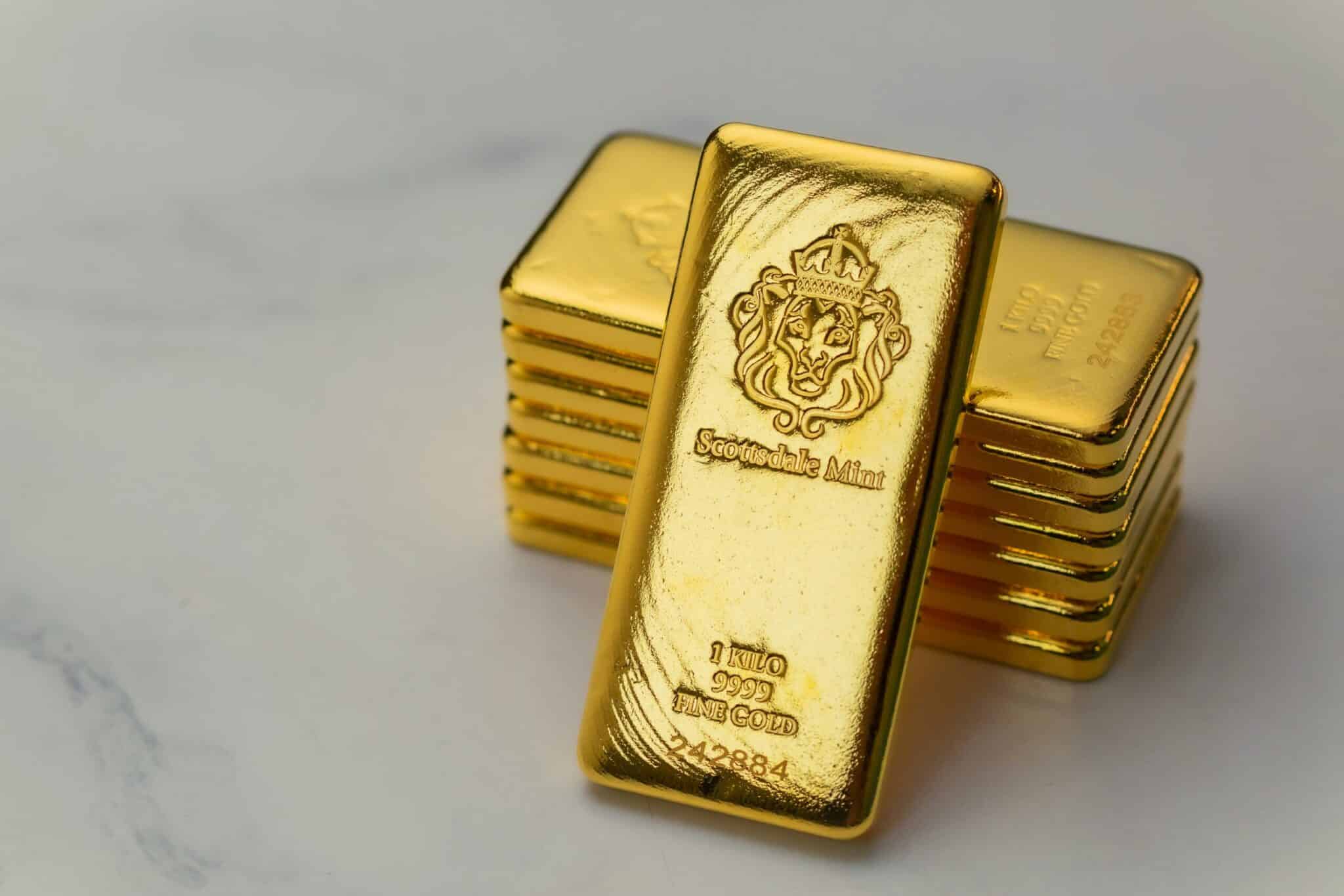
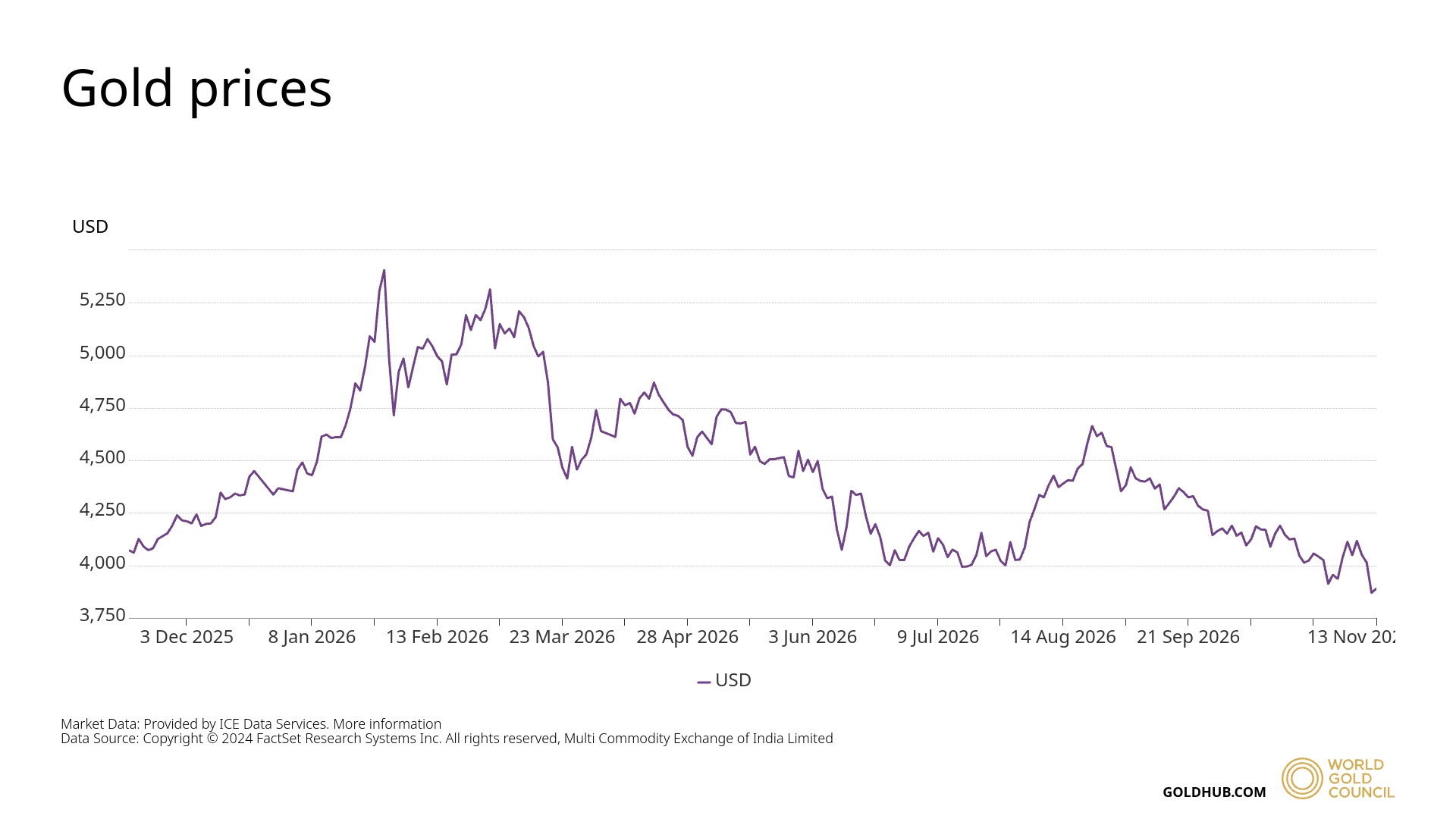
Gold has had a bruising year. After reaching approximately $5,600 per troy ounce earlier in 2026, the precious metal has fallen below $3,900, leaving investors wondering whether the correction represents a buying opportunity or a warning of further losses.
For consumers considering their first gold bar or coin, there’s little reason to rush into a large purchase at current prices. However, those building a long-term holding may find gradual accumulation more practical than trying to predict the market’s lowest point.
Why Is Gold Falling Despite Global Uncertainty?
Gold is traditionally considered a safe haven during geopolitical turmoil. Yet tensions involving Iran and the Strait of Hormuz haven’t prevented prices from falling.
The explanation lies partly in US monetary policy. Persistent inflation, compounded by concerns about energy prices, has increased expectations that the Federal Reserve could raise interest rates further.
Higher interest rates make interest-bearing investments more attractive relative to gold, which generates no income. A stronger US dollar adds another obstacle.
On November 13, gold traded near $3,880 per ounce after losing approximately 4.5% during the week.
The paradox is that the same geopolitical uncertainty that makes gold attractive as a defensive asset can also fuel inflation, keeping interest rates higher and putting downward pressure on its price.
Is the Long-Term Case for Gold Still Intact?
There are reasons not to dismiss gold after its correction.
Central-bank purchases and investment demand remain important sources of support, while concerns about government debt, currency stability, and geopolitical uncertainty haven’t disappeared.
However, a strong long-term argument doesn’t guarantee an immediate recovery. Gold could remain under pressure if inflation persists and interest rates stay elevated.
That distinction matters for anyone buying physical gold, where dealer premiums and the difference between buying and selling prices can make short-term trading particularly costly.
What Are Individual Buyers Doing?
Recent discussions among gold enthusiasts on Reddit reveal a familiar divide.
Some buyers see the correction as an opportunity to accumulate more gold, regardless of short-term price movements. Others prefer to wait for the Federal Reserve’s next decision or for prices to stabilize.
Another approach is to purchase smaller amounts regularly rather than committing an entire budget at once.
Neither strategy guarantees a better entry price. However, spreading purchases over time reduces the risk of investing a large sum immediately before another decline.
So, Buy Now or Hold?
For someone purchasing gold primarily as a long-term store of value, a modest initial purchase could be reasonable, provided the investment can be held for years.
For anyone hoping to profit from a quick rebound, patience appears more prudent. Gold’s recent volatility suggests that another sharp move, in either direction, remains possible.
Physical gold buyers should also compare dealer premiums and resale spreads rather than focusing solely on the spot price. Smaller bars can be convenient, but their higher premiums often make them less economical per gram.
Ultimately, the strongest reason to own gold is diversification and long-term wealth preservation, rather than the expectation of a guaranteed return.
The bottom line: A large lump-sum purchase looks difficult to justify amid continued uncertainty over inflation and interest rates. For long-term buyers, gradual accumulation offers a more measured approach than attempting to time the market.
This article provides general market commentary and does not constitute personalized financial advice.
