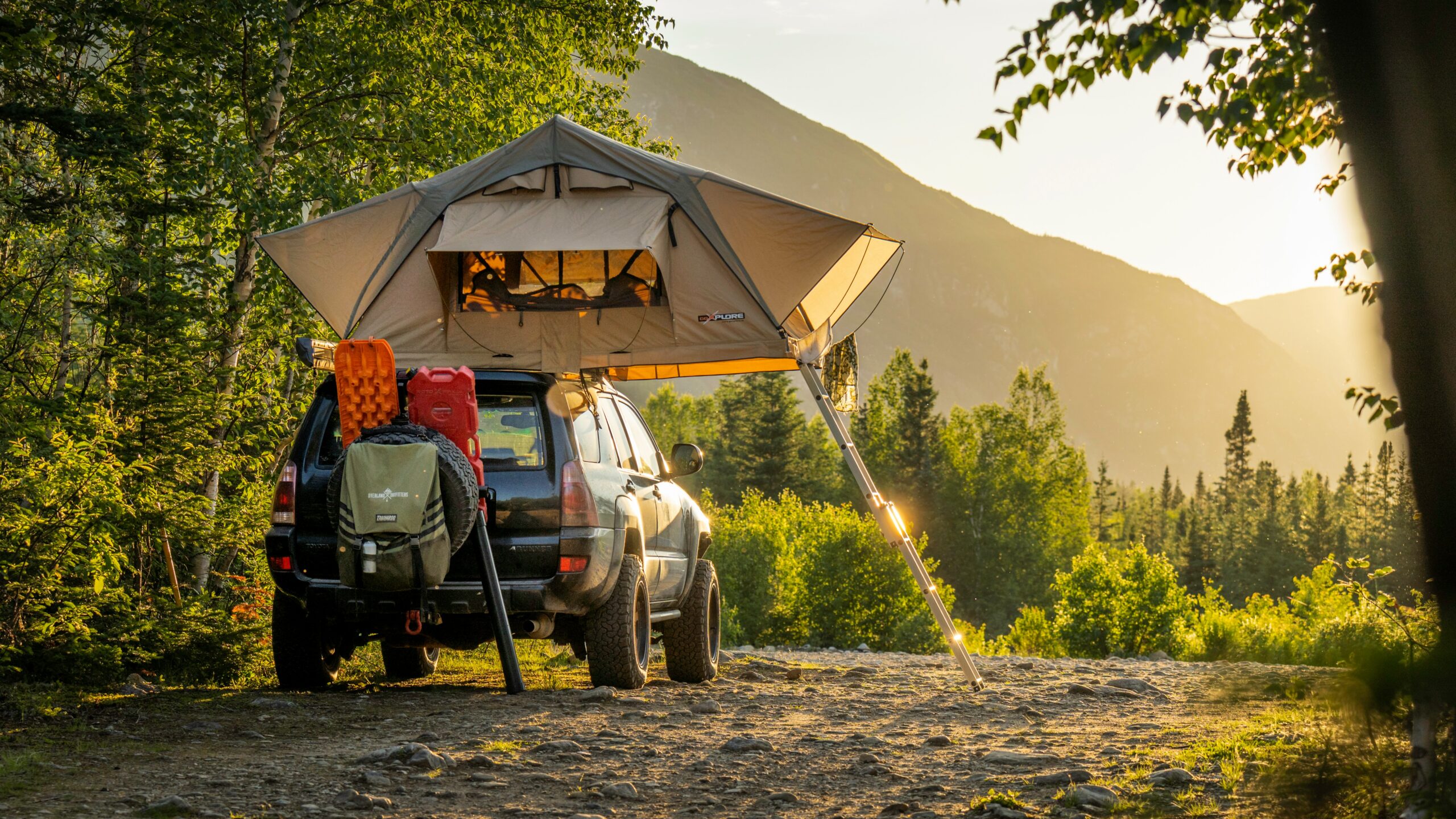
The best part of a weekend away often has little to do with the destination. It might be waking up somewhere unfamiliar, making coffee outdoors, or watching the sun rise without thinking about what comes next.
Those experiences don’t necessarily require a plane ticket, a week of annual leave, or an ambitious itinerary. Sometimes, they’re waiting an hour from home.
That’s the appeal of the microadventure, a term popularized by British adventurer Alastair Humphreys to describe small, accessible adventures that fit around ordinary life. A night camping near your city, an early morning hike, or a spontaneous train journey to somewhere you’ve never explored can offer a refreshing change of perspective.
As travel becomes increasingly associated with elaborate planning, packed itineraries, and carefully documented experiences, there’s something liberating about going somewhere simply because you haven’t been before.
Adventure Without the Itinerary
Planning a holiday can become a project in itself. Flights need comparing, accommodation must be booked, and attractions are researched weeks in advance. By the time departure arrives, every day might already have a schedule.
Microadventures take a different approach.
You could leave work on Friday, travel to a nearby campsite, spend the evening outdoors, and return home the following morning. Or wake up before sunrise to explore a coastal trail while the rest of the city is still asleep.
The destination doesn’t need to be remarkable. What matters is stepping outside the routine.
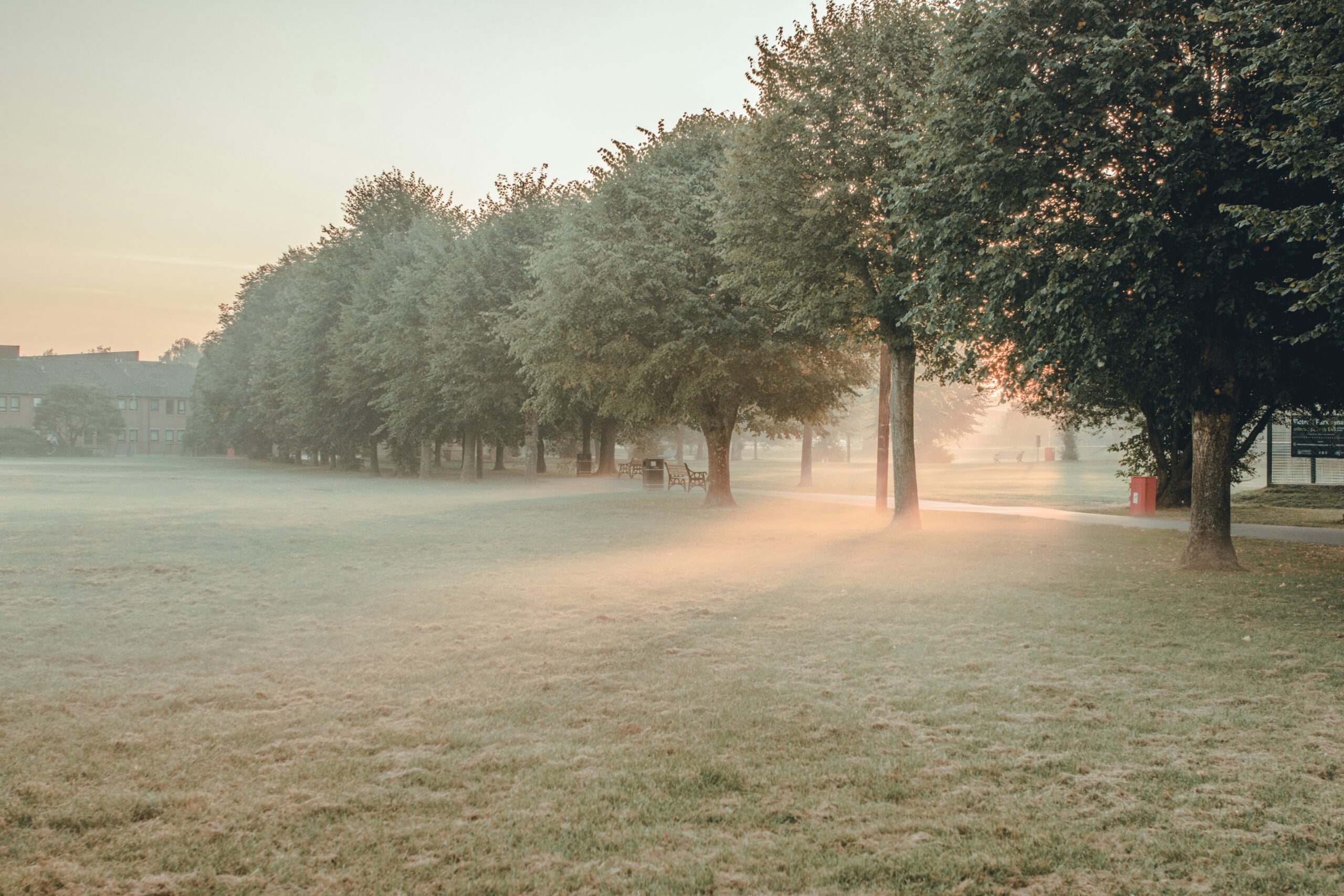
A familiar landscape can feel entirely different at another time of day. A park visited on a Sunday afternoon becomes another place altogether in the early morning mist. Even an ordinary neighborhood can reveal unexpected details when explored without a particular destination in mind.
The smaller scale also makes experimentation easier. There’s less pressure to make every moment count when the entire experience hasn’t required months of saving and planning.
If the weather changes or the route proves disappointing, little has been lost. Another opportunity might be waiting the following weekend.
The Appeal of Going Nowhere Special
Social media has made extraordinary landscapes feel almost ordinary. Dramatic mountain ridges, remote beaches, and pristine campsites appear between videos of someone’s lunch and the latest product launch.
It’s easy to develop the impression that adventure only counts when the scenery is spectacular.
But memorable experiences aren’t always determined by geography.
Cooking a simple meal beside a quiet lake can be more satisfying than rushing between famous landmarks. Walking through an unfamiliar part of your own city might reveal architecture, businesses, and communities that have existed for decades without ever attracting your attention.
There’s also a particular satisfaction in navigating somewhere independently. Finding a trail, working out a route, or discovering a good place to stop for lunch gives even a modest excursion a sense of purpose.
Microadventures invite us to become curious about places we would otherwise overlook.
That curiosity can be especially rewarding in cities, where adventure might involve exploring older neighborhoods, cycling along an unfamiliar route, or spending an afternoon photographing overlooked corners of the urban landscape.
The experience doesn’t have to resemble a traditional outdoor expedition.
When Less Gear Means More Freedom
Outdoor hobbies have a way of turning into equipment collections.
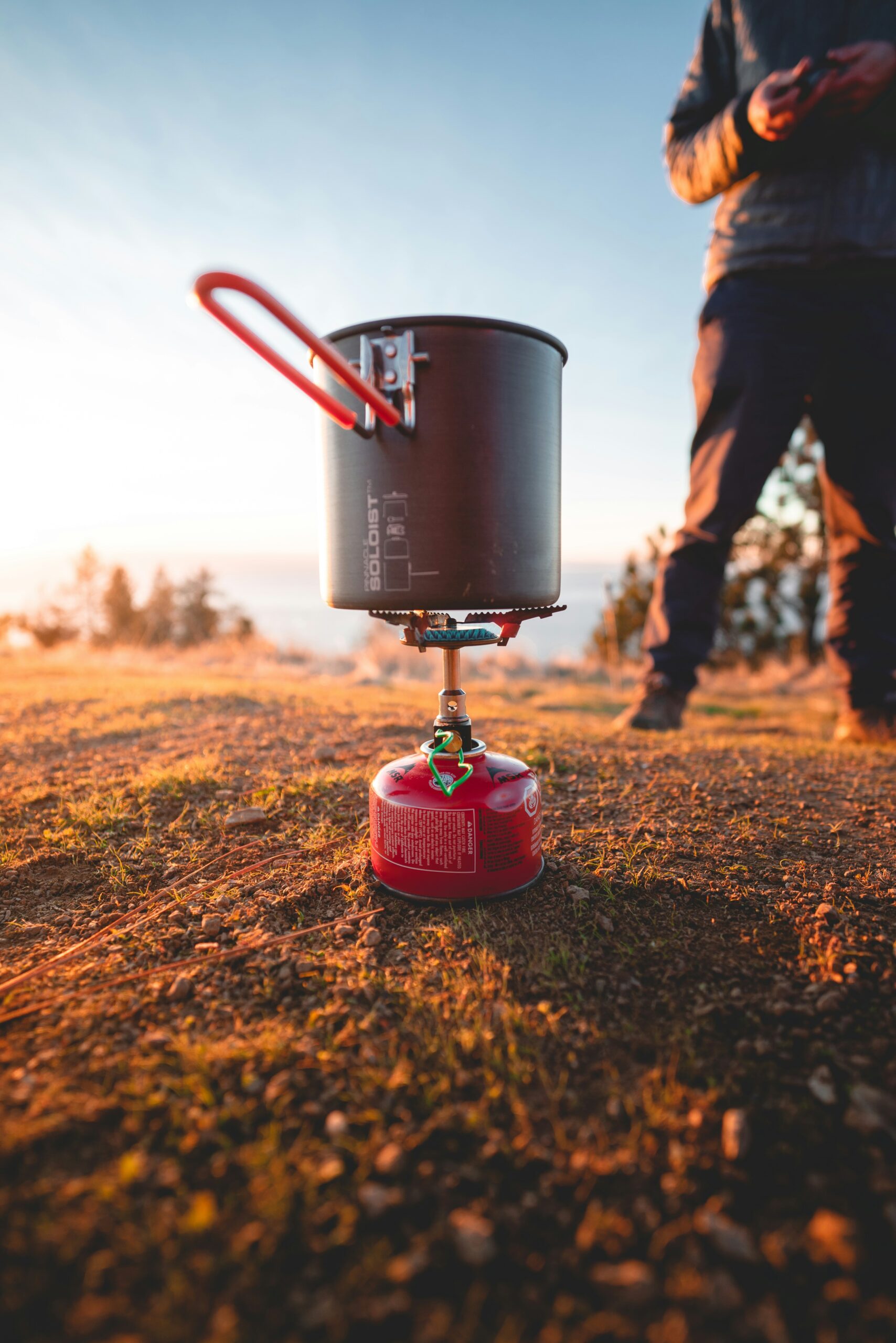
A short camping trip can inspire weeks of research into tents, sleeping pads, backpacks, stoves, and increasingly specialized accessories. There’s genuine pleasure in choosing well-designed gear, particularly equipment that is compact, durable, and satisfying to use.
Yet the equipment can easily become more complicated than the adventure itself.
A microadventure offers a useful reminder that the best setup is often the one that makes leaving home easier.
For a day hike, that might mean a comfortable pair of shoes, a small backpack, water, and appropriate clothing. An overnight trip requires more preparation, but it doesn’t necessarily demand the lightest or most expensive equipment available.
The right gear depends on the environment, weather, and activity. Safety, local regulations, and realistic preparation matter far more than achieving a particular aesthetic or packing weight.
Over time, repeated short outings can also reveal what you genuinely need. A compact stove might prove indispensable, while an accessory that seemed essential during online research never leaves the bag.
Buying less becomes easier when experience, rather than speculation, guides the decision.
Making Room for the Unexpected
One of the pleasures of traveling is the temporary freedom from familiar obligations. Everyday routines fade into the background, replaced by new surroundings and decisions that feel less consequential.
Microadventures can provide a smaller version of that freedom without requiring a complete escape from ordinary life.
An evening walk becomes more interesting when you take a different route. A short train journey feels like a trip when you leave without a detailed plan. Spending a night outdoors can make the following morning feel unusually rewarding, even if home is only a short distance away.
These experiences also leave room for spontaneity.
Not every outing needs to produce beautiful photographs, an impressive distance covered, or a story worth sharing online. Sometimes the memorable part is a conversation, an unexpected view, or the simple pleasure of having nowhere else to be.

Of course, proximity doesn’t automatically make an adventure accessible to everyone. Work schedules, family responsibilities, transport options, mobility, and access to safe outdoor spaces can all influence what’s possible.
The idea is to find an experience that fits your circumstances rather than forcing yourself into someone else’s version of adventure.
A Different Way to Think About Travel
Long holidays and faraway destinations will always have their appeal. There’s nothing quite like experiencing a different culture or spending time in a landscape unlike anything at home.
Microadventures aren’t intended to replace those experiences.
Their value lies in making exploration something we can do regularly, rather than an occasional reward for months of work.
A few hours in an unfamiliar place can interrupt the rhythm of an ordinary week. Repeated often enough, those small excursions can change how we see the area around us.
Adventure becomes less about reaching somewhere extraordinary and more about approaching familiar surroundings with a little curiosity.
And the next one might be closer than you think.


